


Sixteen years ago, in the wake of Hurricane Katrina and amid the long recovery that would follow, the City of Biloxi adopted a forward-thinking and carefully crafted vision for its future in the form of the 2009 Comprehensive Plan. To this day, it remains the city’s most current long-range planning document—its blueprint for how to rebuild smarter, grow more intentionally, and become more resilient to the storms ahead.

The plan is built around three core purposes: to reflect the values and aspirations of the community, to guide policy decisions makers, and to serve as a structured “to-do” list—short, mid, and long-term—for turning that vision into reality. It outlines goals for every major neighborhood, redefines how development should be shaped, and places strong emphasis on infrastructure, environmental stewardship, and community-centered design.
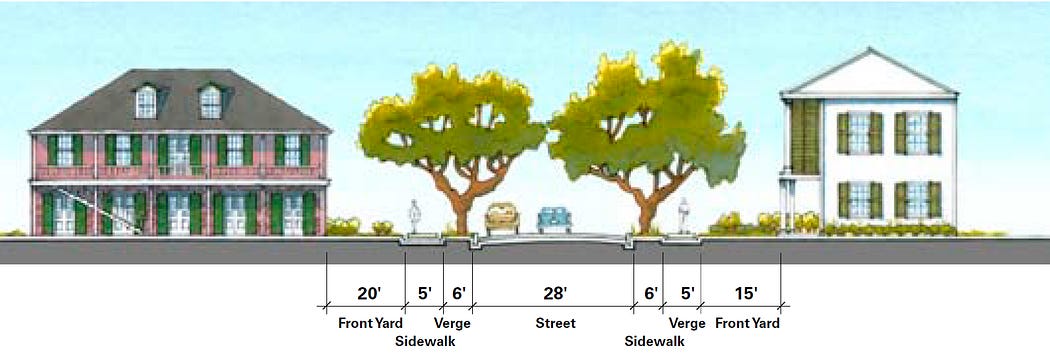
Not every resident may have read the plan, but its influence is meant to be visible all around us: in the shape of neighborhoods, the form of downtown, the resilience of coastal corridors, the presence of open space, and even the protection of trees. This article revisits that vision—not to debate it, but to understand it. Sixteen years later, it’s worth asking: did the vision hold?
A Vision Grounded in Resilience
At the heart of Biloxi’s Comprehensive Plan is a vision shaped by the city’s past and strengthened by its challenges. Echoing the theme of Reviving the Renaissance—Building Our Future, Embracing the Past, the plan is designed to preserve, restore, and strengthen what makes Biloxi unique. Crafted through public input and finalized after Hurricane Katrina and during the 2008 Global Recession, the plan makes resilience the foundation for moving the city forward.
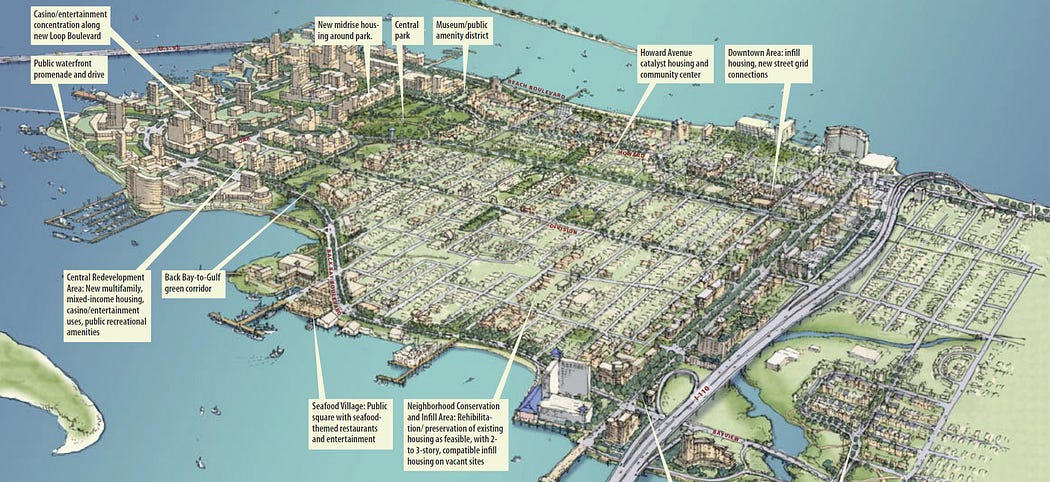
The plan envisions a 21st-century Biloxi built on three foundations: a diverse & thriving economy, a healthy environment that supports quality of life & protects against future storms, and a welcoming community that offers opportunity while honoring its unique character. Whether it still guides Biloxi today depends on your perspective and your willingness to notice.
Key Goals of the Plan
The plan is broken into twelve chapters, covering everything from housing and transportation to economic development and historic preservation. Among its most notable policy goals:
Smart Growth with Cultural Roots: The plan seeks to preserve Biloxi’s identity by prioritizing development within existing neighborhoods, elevating homes in vulnerable areas, and encouraging mixed-use projects through Planned Development zoning. It aims to limit outward expansion, reduce land use conflicts, protect environmental resources, and promote safe, cost-effective growth that respects the city’s character.
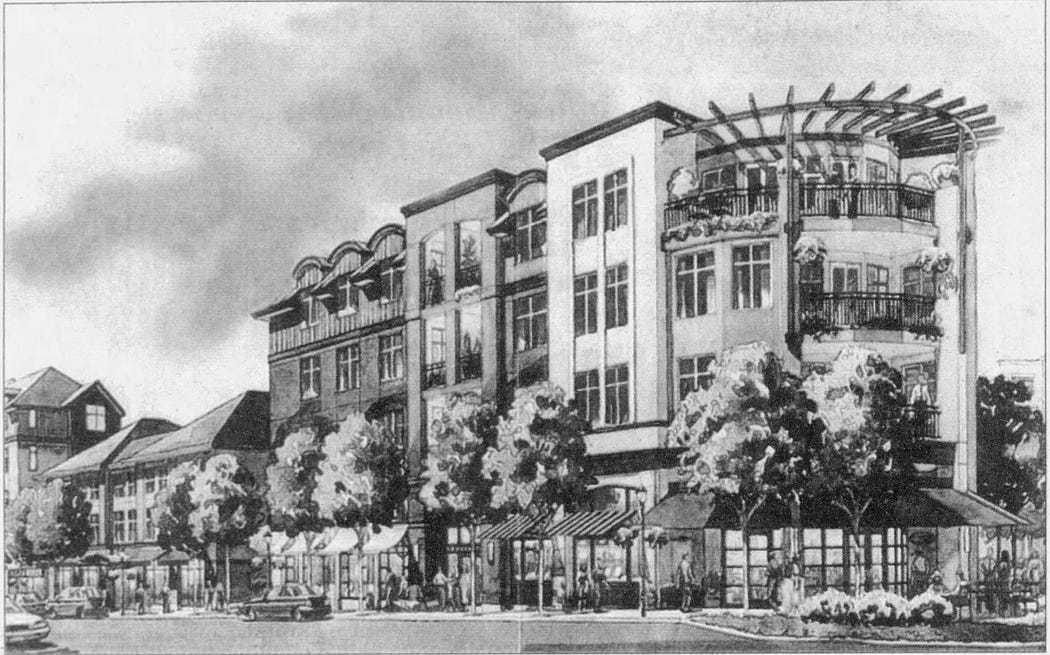
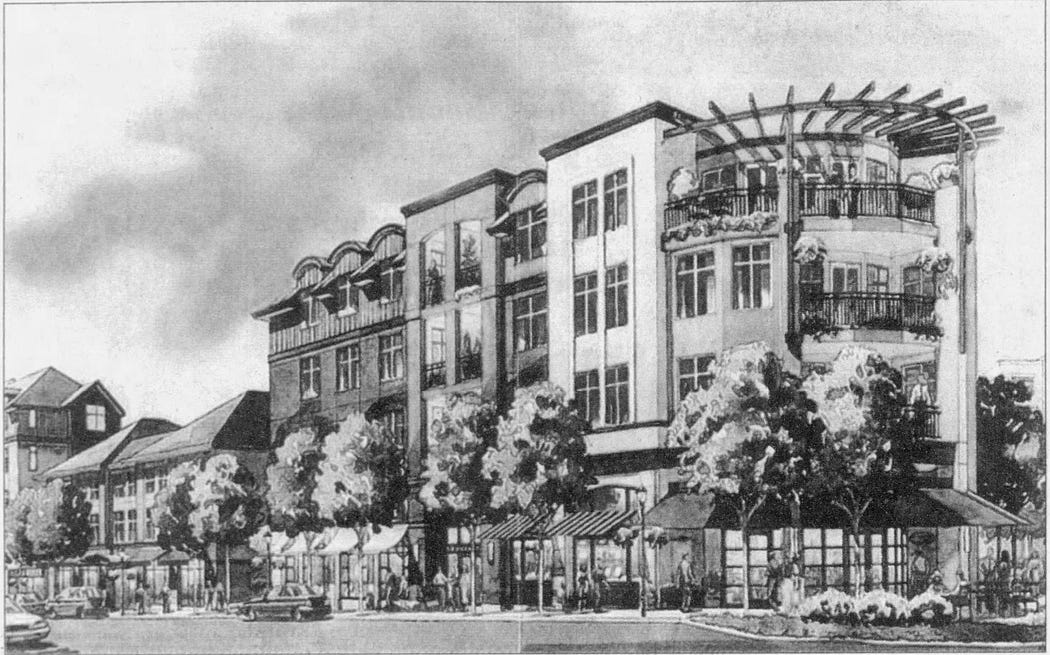
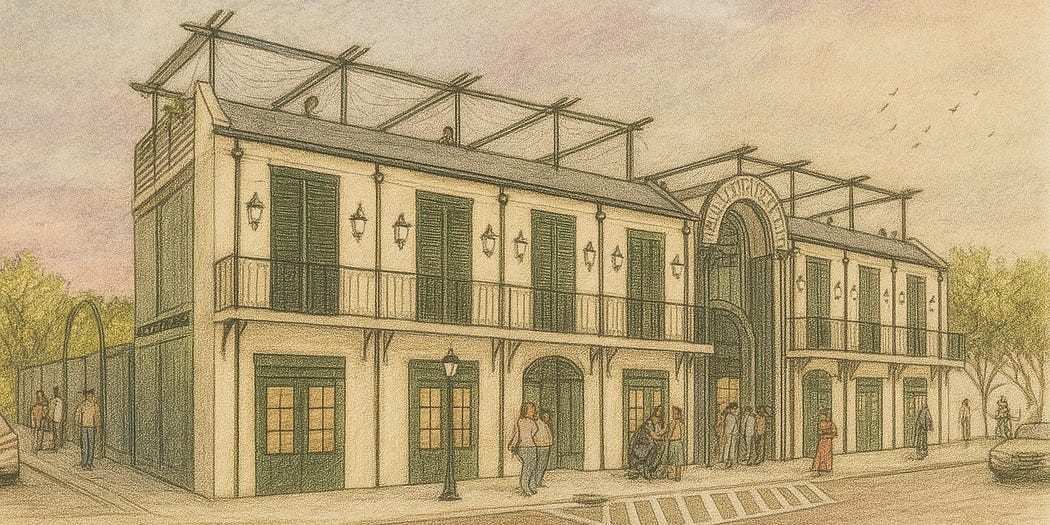
The Live/Work Center at the Bay Village Project, Rejected by the Planning Commission A Better Way to Move: The plan promotes a safe, efficient, and connected transportation system offering travel by car, bus, bicycle, foot, boat, or plane. It prioritizes walkability, transit access, coordinated roadway planning, and stronger connections between neighborhoods, employment centers, and regional hubs.
Protect and Restore Natural, Cultural, and Historic Resources: The plan prioritizes protecting waterways, wetlands, and Biloxi’s tree canopy to reduce storm risks and promote eco-tourism. It encourages historic preservation, architectural reuse, arts and culture, and greater waterfront access to strengthen the economy while preserving the city’s identity.
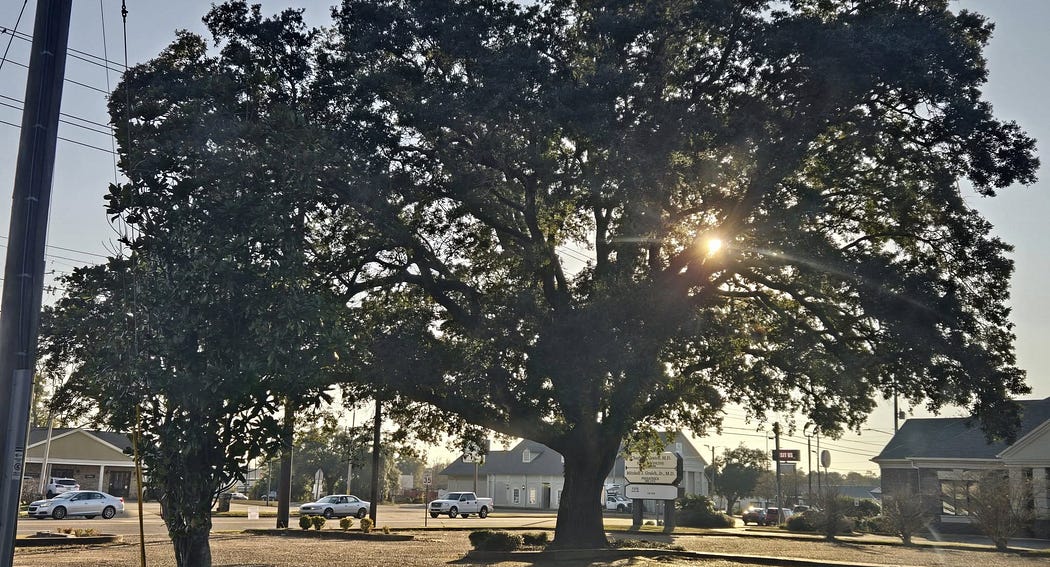
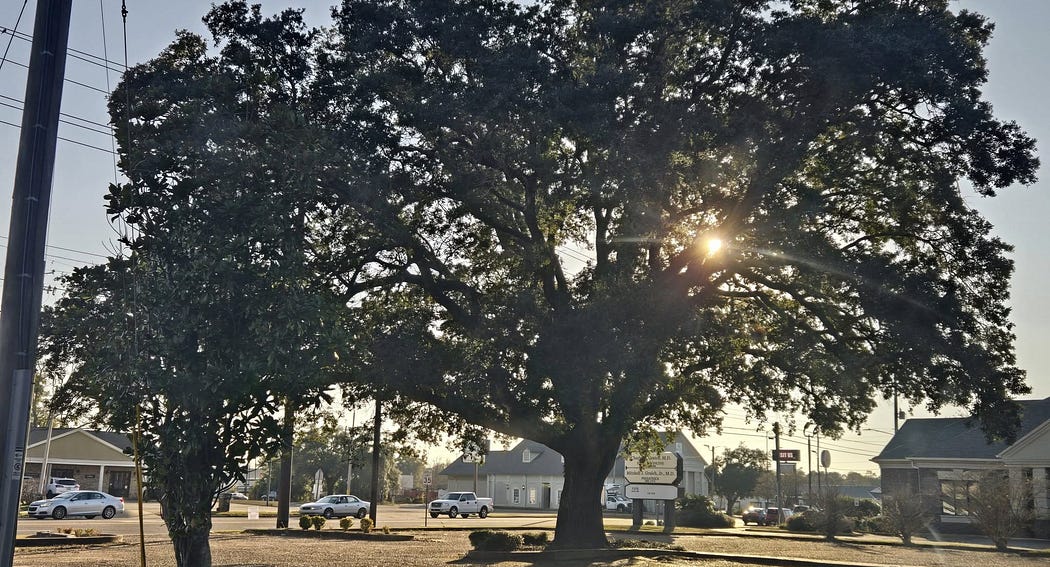
Gruich Oak in West Biloxi Planning Better Facilities, Delivering Better Services: The plan prioritizes well-maintained, cost-effective public services, including emergency response, utilities, parks, and public facilities, that keep pace with development. It emphasizes data-driven planning, coordination with future land use, and investments that improve quality of life while protecting environmental resources.
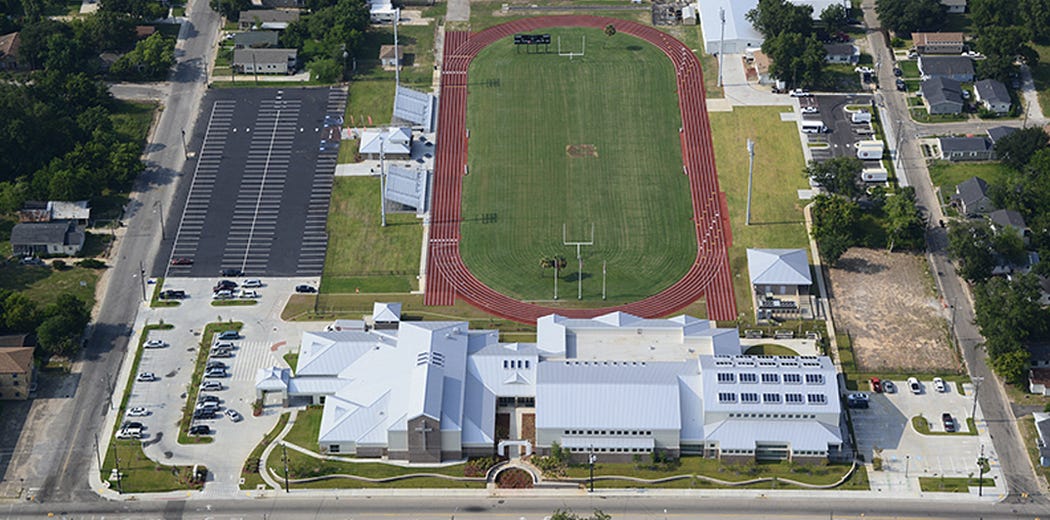
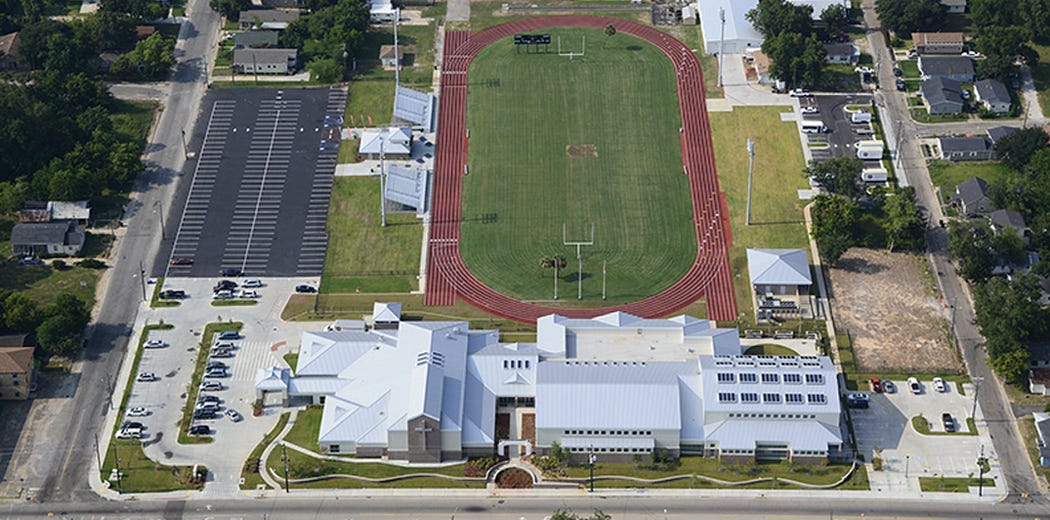
Salvation Army KROC Center in Biloxi Affordable, Diverse, and Resilient Housing: The plan promotes safe, affordable, storm-resilient housing for all income levels, ages, and household types. It encourages compact, walkable neighborhoods connected to jobs, services, and transit while preserving historic character and reducing flood risks.
Investing in an Economic Future: The plan promotes a sustainable economy by strengthening tourism, seafood, and military industries while encouraging entrepreneurship, workforce development, and innovation. It prioritizes downtown revitalization, expanded visitor and family attractions, preservation of Biloxi’s seafood heritage, and quality retail development along corridors like I-10 to create lasting economic opportunities.
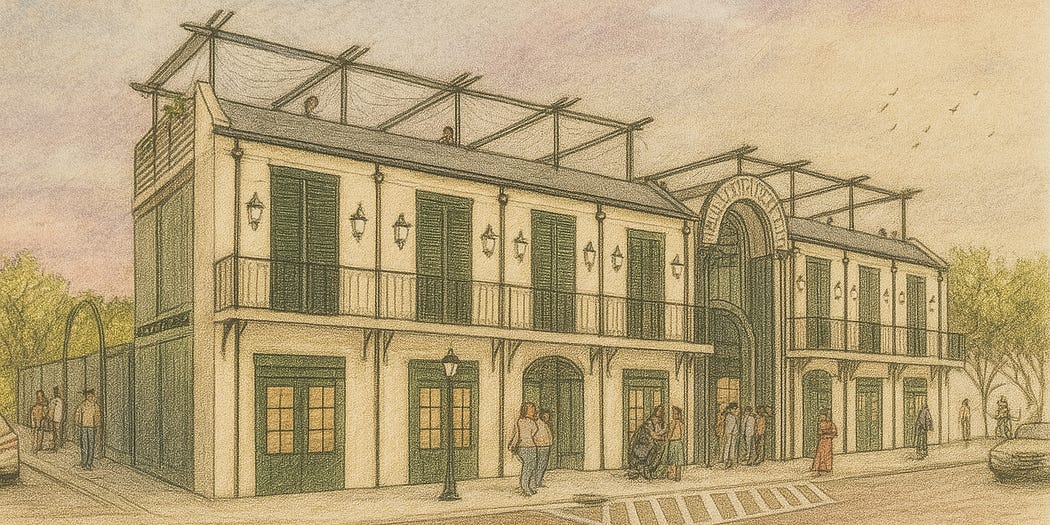
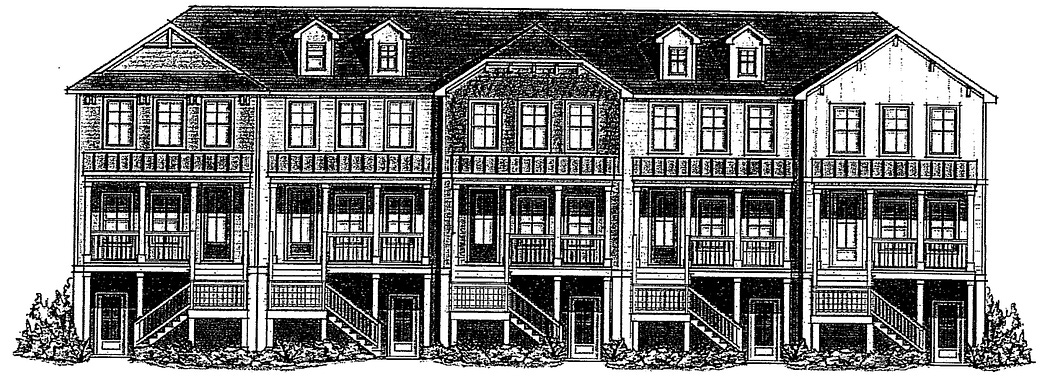
Austin Square by Ivan Spinner, Conceptual Sketch
Neighborhood Visions
East Biloxi: Resilient, Cultural, and Connected
The East Biloxi Neighborhood Strategy sets a clear and compelling goal: to create a thriving local community and premier visitor destination that preserves the authentic historic, cultural, and natural character of “Old Biloxi,” while reducing the area’s vulnerability to storm damage and flooding.
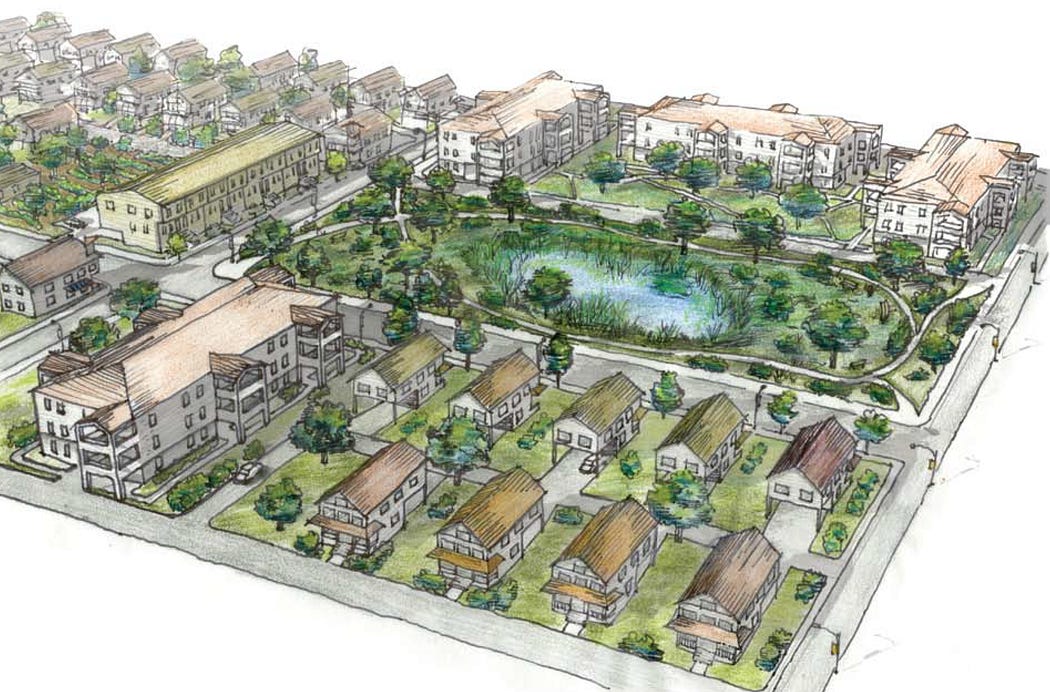
To achieve this, the plan outlines nine key strategies:
Encourage resilient development along the waterfront.
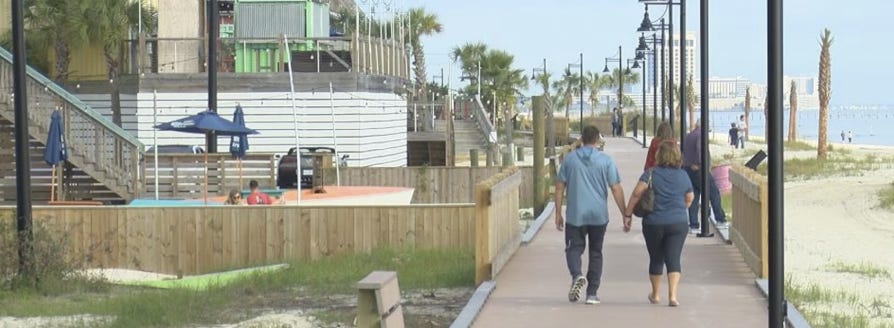
Create a“Peninsula Path”: a continuous walkway around the peninsula.
Improve walkability and bikeability.
Promote construction of housing to be storm-ready and communal.
Design multi-function open spaces (i.e. park and stormwater).
Strengthen connections to Downtown.
Invest in civic infrastructure like libraries and parks.
Support the seafood industry.
Expand economic opportunities.
Together, these strategies aim to restore East Biloxi as a livable, resilient, and culturally vibrant coastal community.
West Biloxi: A Destination District Anchored by Ecotourism
The West Biloxi Neighborhood Strategy envisions building a stable residential community and a high-quality regional destination by leveraging the area’s scenic beauty, natural resources, historic landmarks, and economic anchors. It focuses on strengthening West Biloxi’s identity while preparing for future resilience.
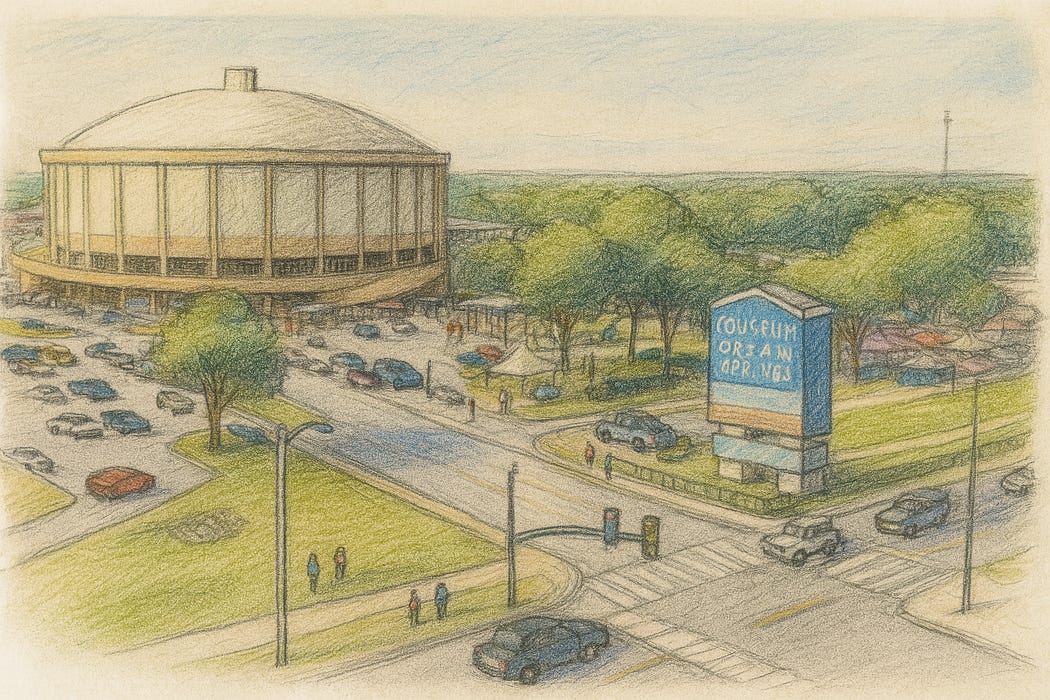
To achieve this, the plan sets forth seven core strategies:
Organize development around three hubs: a scenic Highway 90 destination district, a revitalized Pass Road corridor, and residential neighborhoods north of Pass Road.
Create a connected network of pedestrian and bike paths.
Improve east–west and north–south roadway connections.
Upgrade streets with for pedestrians and bikers.
Support Coliseum expansion with nearby hotels and other businesses.
Reinforce Edgewater Mall’s role as a regional retail hub.
Integrate open space and green infrastructure into development.
Together, these strategies aim to shape West Biloxi into a more connected, livable, and storm-resilient coastal community.
North Biloxi: A Balanced Community Hub for Families and Jobs
The North Biloxi Neighborhood Strategy envisions the area as a quality, mixed-use regional activity center and one of the city’s vital economic hubs — surrounded by stable neighborhoods and designed to reduce risk from storm damage and flooding. Anchored by the I-10 and Cedar Lake corridor, the plan seeks to build on the area’s growth potential while protecting its environmental assets and enhancing its connectivity.
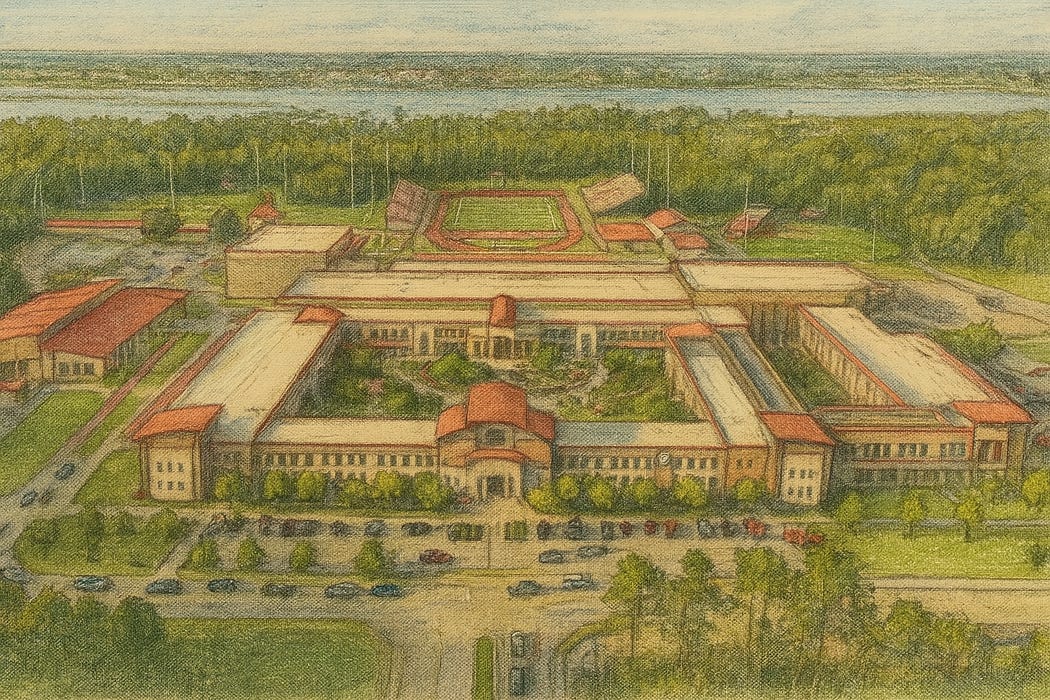
To achieve this, the plan sets forth six core strategies:
Promote a Regional Activity Center near the I-10/Cedar Lake.
Improve walking, biking, transit, and mixed land uses.
Restrict development to protect the environment and integrating green infrastructure into land use planning.
Promote schools and recreational sites as community hubs with programming for seniors, students, families, and other local groups.
Create a connected street, pedestrian, and bike network linking neighborhoods to community destinations.
Advance economic development to include support for the Innovation Center.
Together, these strategies aim to transform North Biloxi into a resilient economic hub — well-connected, environmentally responsible, and centered around community-focused growth.
Woolmarket: Rural Character with Intentional Growth Centers
The Woolmarket Neighborhood Strategy envisions the area as a growing, mixed-use regional activity center and one of Biloxi’s vital economic hubs — surrounded by stable neighborhoods and designed to reduce risk from storm damage and flooding. With its strategic location at the I-10/Highway 67 interchange, Woolmarket is positioned to become a key node of future development, while maintaining its natural character and meeting the needs of a growing residential population.
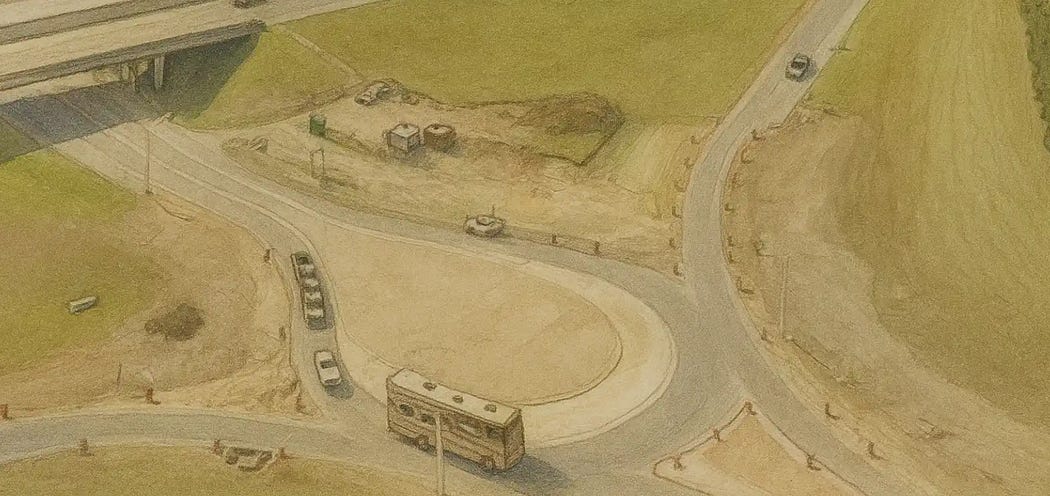
To achieve this, the plan sets forth six core strategies:
Organize growth around a Regional Activity Center at the I-10/Highway 67 interchange.
Coordinate infrastructure improvements with planned centers to avoid scattered, piecemeal development.
Protect sensitive natural areas , especially south of I-10, and promote green infrastructure and open space in development north of I-10.
Provide essential community facilities and services to support Woolmarket’s growing population.
Create a connected network of streets, sidewalks, and bike paths linking neighborhoods to future activity centers.
Explore opportunities for a business or light industrial park in Woolmarket through a proposed Biloxi Economic Development Committee.
Together, these strategies aim to guide Woolmarket’s transformation into a resilient, well-connected community that balances environmental protection, economic opportunity, and a high quality of life.
How Far Have We Come?
When Biloxi adopted its plan over sixteen years ago, it established six goals: guide responsible growth while preserving the city’s character; expand safe, diverse transportation options; protect natural resources, historic neighborhoods, open spaces, and tree canopy; provide quality public services and facilities; promote affordable, storm-resilient housing; and build a sustainable economy through local industries, innovation, and entrepreneurship.
Sixteen years later, how much of that vision do you see around you? Are neighborhoods safer, greener, and more connected than they were before? Has the city balanced growth with cultural and historical character? Is the housing we build truly serving everyone or is it just expedient? These aren’t rhetorical questions, but real tests of whether a plan has lived beyond the page. Every resident has a stake in the answer, and every neighborhood tells part of the story.
Writer’s Perspective
The vision of the plan still echoes through official documents to include the plan itself and the Land Development Ordinance, but its presence in the real world is harder to find.
Trees once protected by policy are now reduced to stumps, cleared to make way for convenience and concrete. Promises of walkable, bikable, and even drivable, connected neighborhoods have given way to streets designed almost entirely for cars, leaving few safe or practical options for walking, biking, or public transit. New housing continues to rise, yet storm resilience is once again an afterthought. Public investments are made, but too often in places that serve political ambition rather than public need.
This plan was never meant to gather dust. It is a roadmap for a better Biloxi. If that path has been lost, it’s not because the vision failed—it’s because the city and it’s leaders gave up on it’s culture and it’s dreams for the future. The question now is whether we will honor our past, make achievements in the present, and continue to plan for the future—or continue on like a ship without a rudder drifting further and further from the future we once promised ourselves.